Construction Site Safety: Minimizing Exposure to Silica Dust
Construction Site Safety: Minimizing Exposure to Silica Dust
Silica dust poses a significant health risk to workers in the construction industry. Awareness and proactive management can ensure a safer working environment and are important steps toward mitigating the negative effects of silica dust. In this blog post we will explore the sources of silica dust as well as the hazards associated with exposure, and highlight effective control measures.
Causes of Silica Dust
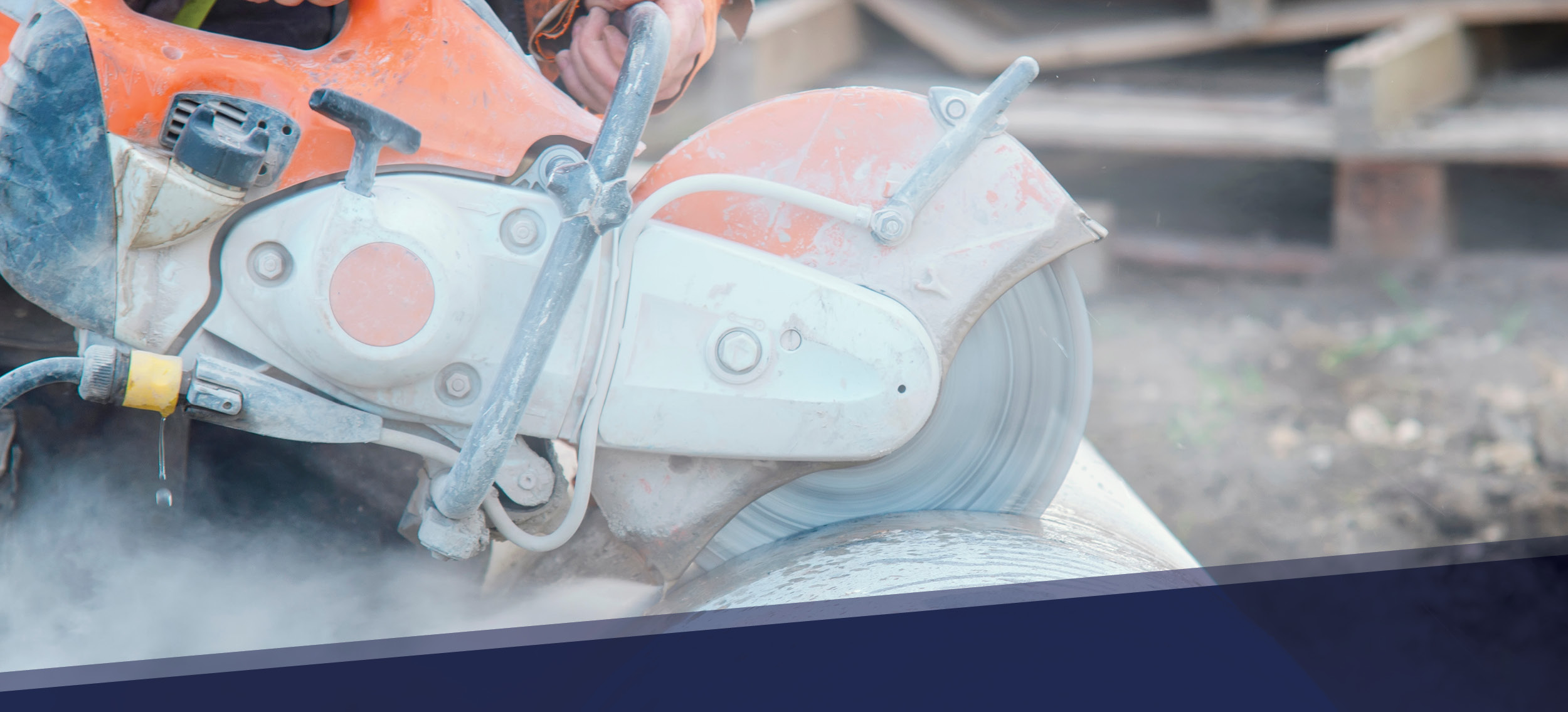
Silica is a primary component of many common construction materials including concrete, bricks, tiles, and stone. When these materials are cut, ground, or drilled, they release fine particles of crystalline silica into the air. Breaking down concrete structures, cutting or grinding concrete, stone, or tiles, drilling into silica-containing materials, and sanding drywall or finishing concrete surfaces can all contribute to the release of silica dust.
Did you know the most hazardous form of silica is quartz?
Hazards of Silica Dust
Silica dust is considered a serious health hazard due to its fine, sharp, and irregularly shaped particles that can penetrate the lungs and become deeply embedded in them. Once embedded they can impair lung function and resist the body's natural defenses that would normally expel them.
A disabling and sometimes fatal lung disease called silicosis is caused by inhaling silica dust. The fine silica particles can trigger inflammation, thickening, and scarring of lung tissue, restricting the lungs' ability to function properly. As the disease progresses, symptoms such as shortness of breath, severe coughing, and body weakness can occur. Symptoms of silicosis may not appear for many years following exposure to silica dust.
Prolonged exposure to silica dust increases the risk of developing lung cancer. Silica dust can also contribute to the development of chronic obstructive pulmonary disease (COPD), a group of lung diseases that block airflow and make breathing difficult. There is even evidence linking silica dust exposure to an increased risk of kidney disease.
Risks Associated with Silica Dust
The risks associated with silica dust are not limited to health. Workplaces failing to protect workers from silica dust may incur significant fines and penalties from regulatory bodies. In addition, health issues arising from silica dust exposure can lead to costly worker compensation claims.
Control Measures for Silica Dust
Effective control of silica dust involves a combination of strategies to eliminate or reduce exposure. Control measures that should be followed include using materials with less silica content whenever possible, and/or adopting work methods that eliminate the need for activities generating silica dust. For example, using pre-cut materials can reduce the need for on-site cutting and grinding.
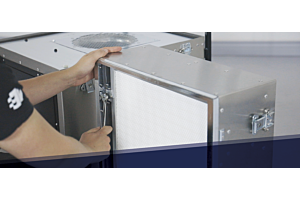
Engineering controls can also be implemented to reduce silica dust at the source. These include using water to suppress dust during cutting, grinding, or drilling, which can significantly reduce airborne particles. Installing local exhaust ventilation systems to capture and remove dust at the point of generation, and enclosing dust-generating activities to prevent the spread of dust to other areas are also useful ways of mitigating silica dust. Temporary modular walls can be used to enclose these areas. The confined space can be pressurized and monitored to help keep the dangerous particles inside and mitigate the threat of exposure for other occupants and areas of the building. Using high-efficiency cartridge filters and HEPA secondary filters in dust collection systems can help filter hazardous contaminants.
Applying administrative controls in areas where silica dust may be a concern can also help minimize exposure. Coordinating tasks with subcontractors to ensure dust-generating activities are performed when fewer workers are present and posting signs to warn workers and visitors of areas where silica dust is present are two ways administrative controls can help. Monitoring worker exposure helps ensure all control measures remain effective.
Providing adequate training to workers regarding the hazards of silica dust and the importance of control measures is imperative. In addition, appropriate personal protective equipment (PPE) should be supplied to workers to protect them from silica dust exposure. PPE should include air-purifying respirators with HEPA filters to remove silica particles from the air. Coveralls and other protective clothing can prevent dust from settling on skin, clothing, and in hair. Workers must be fit-tested for respirators to ensure a proper seal, and should be trained on the proper use of all PPE.
Implementing an Exposure Control Plan (ECP)
To effectively manage silica dust, OSHA dictates employers must develop and implement an exposure control plan (ECP). Regardless of the chosen control methods, an ECP must establish a detailed plan for all control measures to be implemented, including engineering and administrative controls as well as PPE. Workers must be trained and educated on the hazards of silica dust, the job tasks that could create exposure, and how exposure can be limited as well as the proper use of all PPE. Dust levels should be checked regularly and activities that may expose workers to silica dust should be restricted where possible. Workplaces are also responsible for offering medical exams including chest x-rays and lung-function tests, to workers who are exposed to silica dust.
Conclusion
Silica dust is a significant health hazard in the construction industry, with the potential to cause serious and sometimes fatal diseases. By understanding the causes, hazards, risks, and control measures associated with silica dust, employers can take proactive steps to protect their workers and ensure a safer working environment. Implementing an effective ECP and adhering to regulatory requirements are essential to minimizing the risks and safeguarding the health of workers.
Abatement Technologies® can help you create a safer, healthier, and more compliant workplace. Contact us today to learn how our tools can help to effectively mitigate silica dust exposure and its associated health risks.